May Orchard Care
Fertilizing
Early may is when you will put 1lb of nitrogen around all of your 1 – 3 year old trees. You can also put 1/2 lb around your more mature trees if necessary. This should probably be done before the middle of May. Be sure to spread it around the perimeter of the tree at the drip line (where the leaves / branches end) otherwise you risk burning the roots and killing the tree.
Spraying
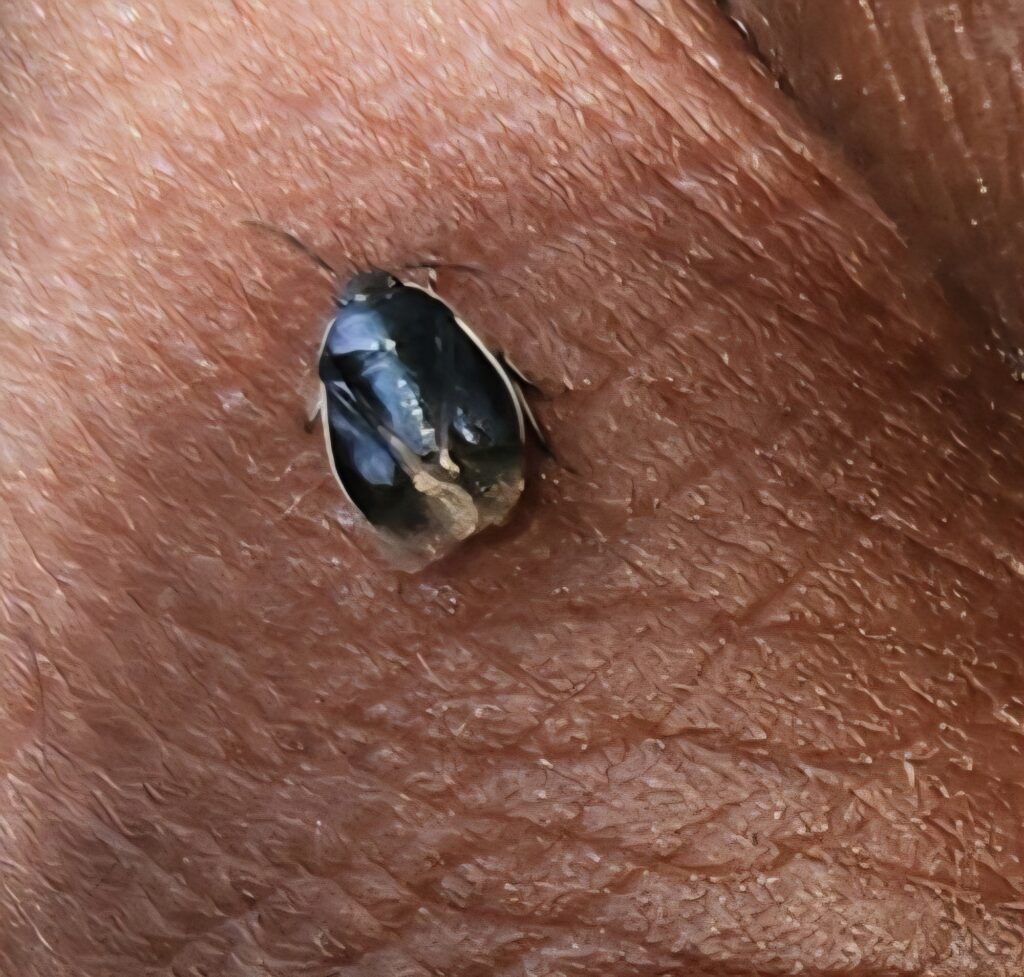
If your trees are fruiting, you should be spraying with both insecticide and a broad band fungicide plus a surfactant. The surfactant helps to spread the other chemicals over the leaves and fruit and also helps, in some cases, to make it stick.
Tractor supply has concentrated formulas that include both the insecticide and fungicide. I am not sure if they have surfactant in the mix. Other options are to buy fungicides like Captan Gold 4L, Indar 2F and Pristine. Indar and Pristine are very effective against brown rot, Captan is more broad spectrum but will have some impact on brown rot.
For insecticides, if you do not have a private applicator permit, which here in Tennessee is not difficult to obtain, then you will be limited to off-the-shelf insecticides like Sevin, Sevin XLR, Carbaryl or Bayer products.
If you fruit starts to split, as happens sometimes with my nectarines, then a calcium foliar spray can be helpful too.
Thinning
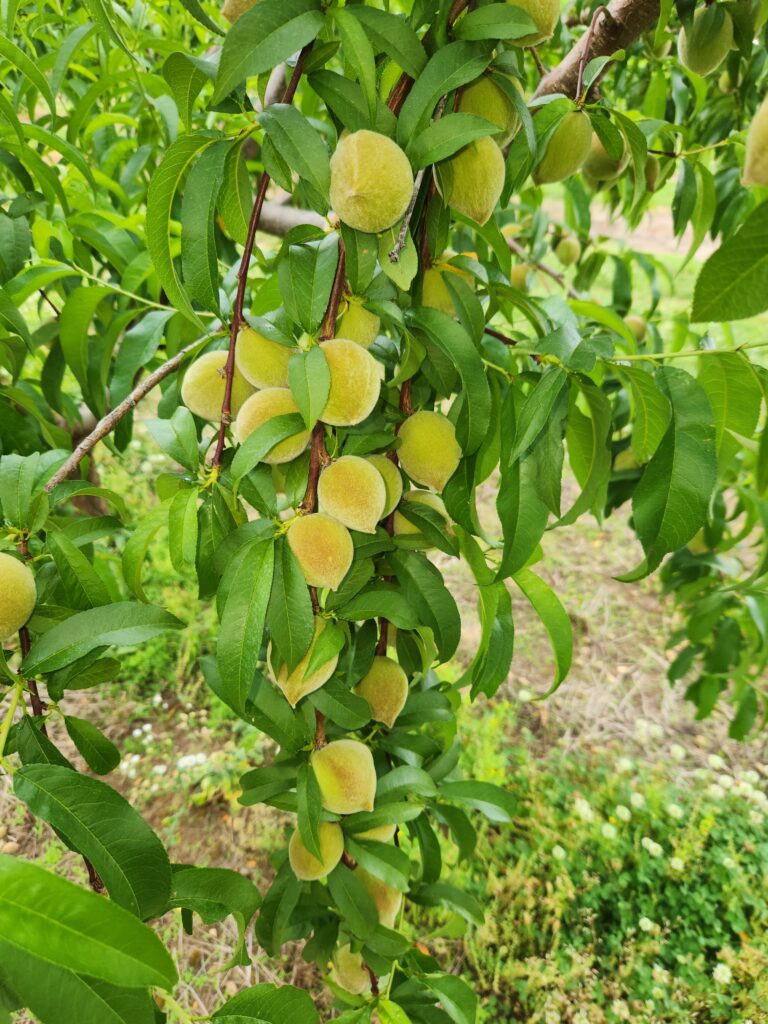
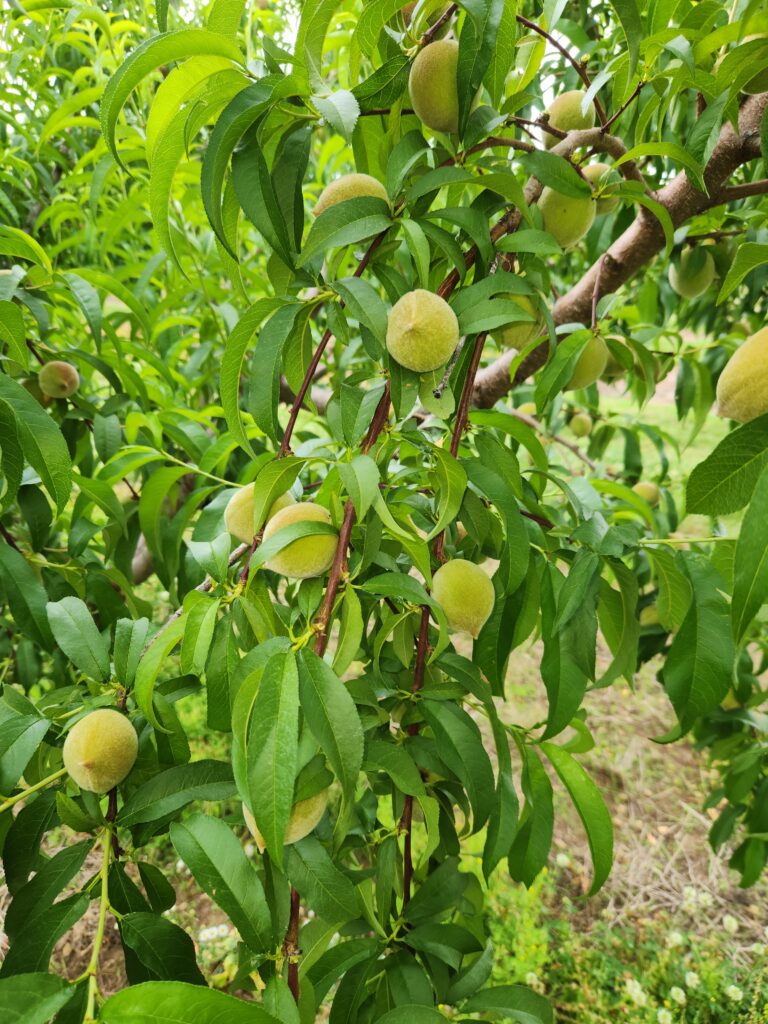
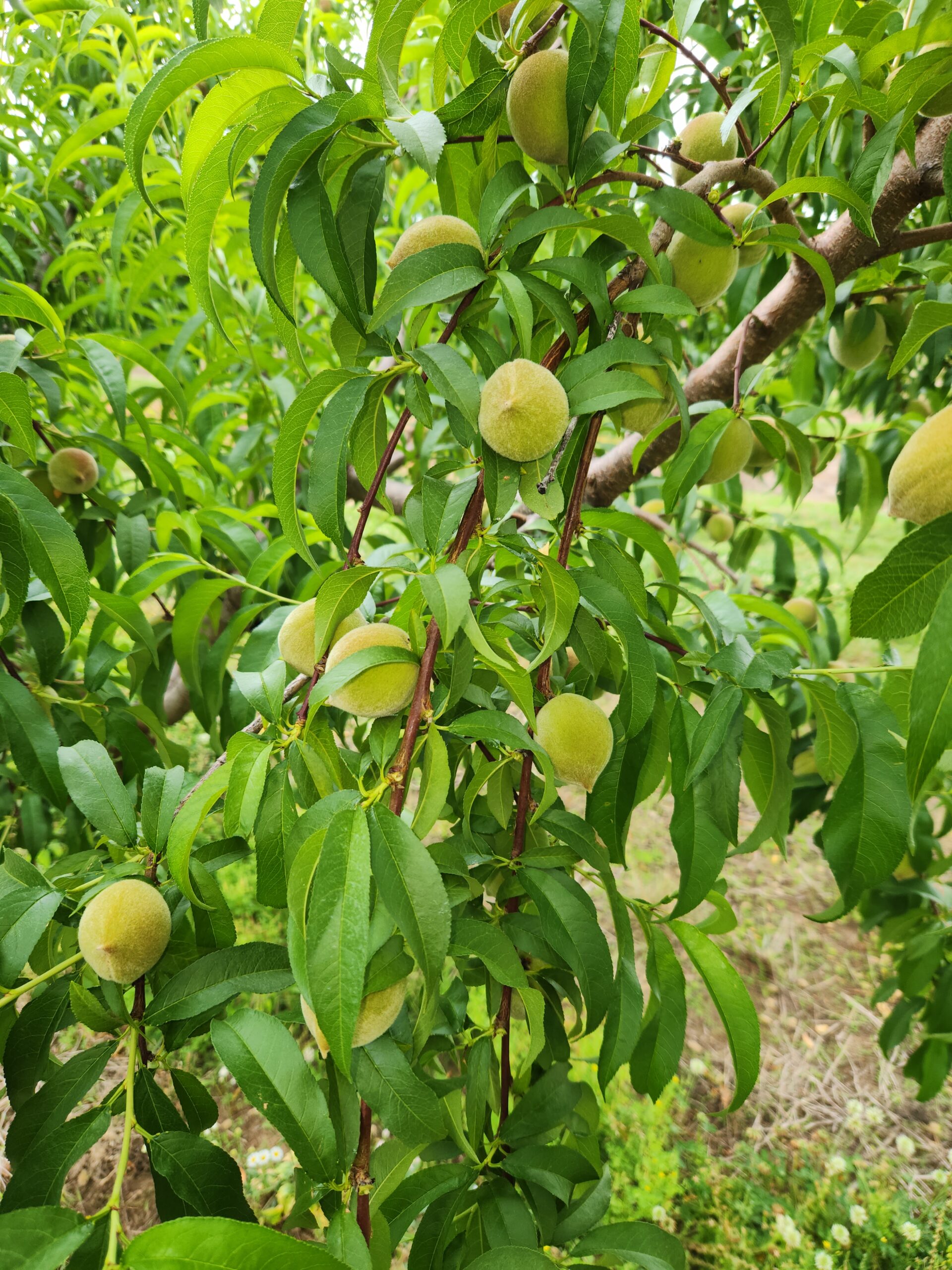
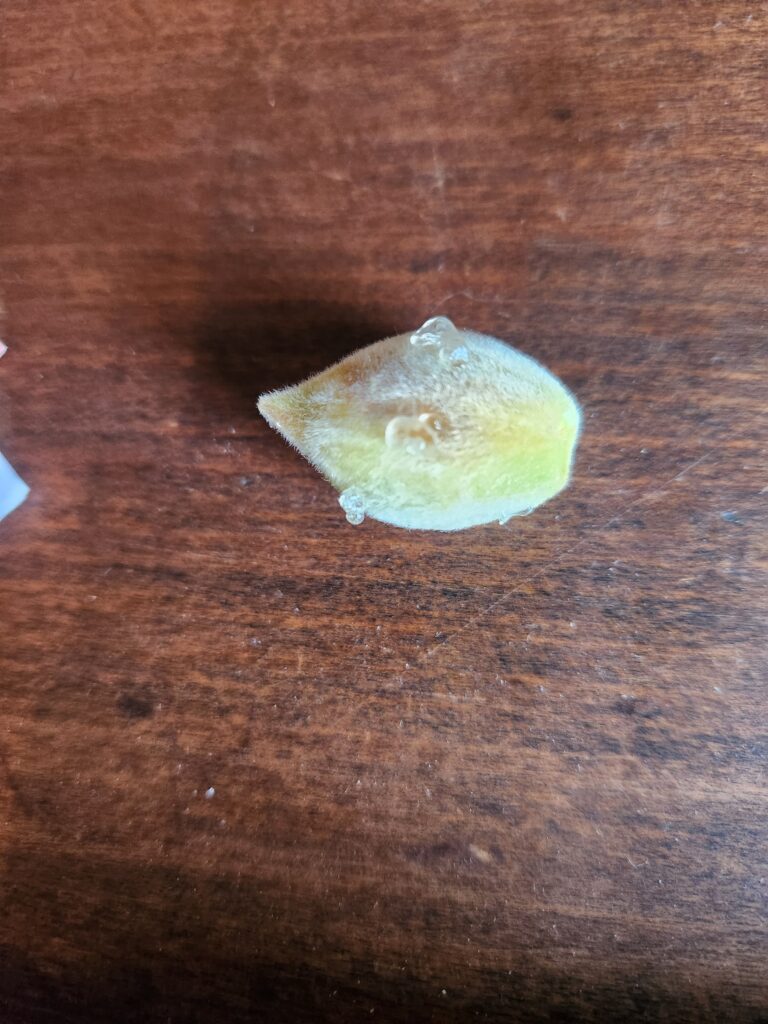
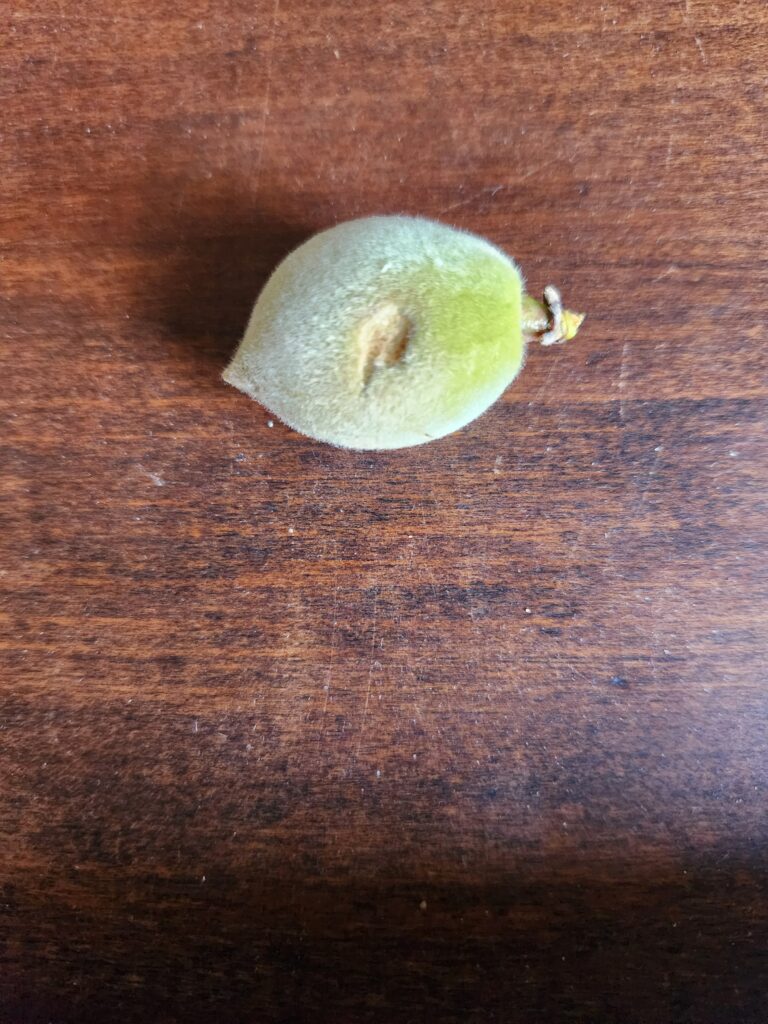
Once the fruit reaches the size of a golf ball, or a little smaller, you should be thinning out the fruit. This ensures you get good sized fruit that will taste better.
The general rule of thumb is to thin the fruit so that you have a gap of between 6 and 8 inches between peaches and nectarines on the same branch.
Don’t worry about over-thinning. The chances are you will leave far too much fruit on the tree.
The sooner you get your thinning completed, the larger the remaining fruit will grow.